Understand before intervening.
Dr Bader Ramdani, general dentist and founder of [de facto]. Trained at Université Laval, he centres his practice on diagnosis, planning and prevention, supported by a digital laboratory integrated into the studio.
A logical order, from diagnosis through to maintenance.
Understand before treating.
The right treatment follows from a clear diagnosis: its cause, its prognosis and the overall context of the mouth.
Stabilise before rebuilding.
A mouth is not rebuilt on unstable foundations: active disease is brought under control first.
Preserve before replacing.
Keep natural tissue where it can reasonably be kept — without saving everything at any cost, or replacing everything quickly.
Prevent to make it last.
Prevention is an active part of treatment, present from the very first appointment — never a formality at the end of the process.
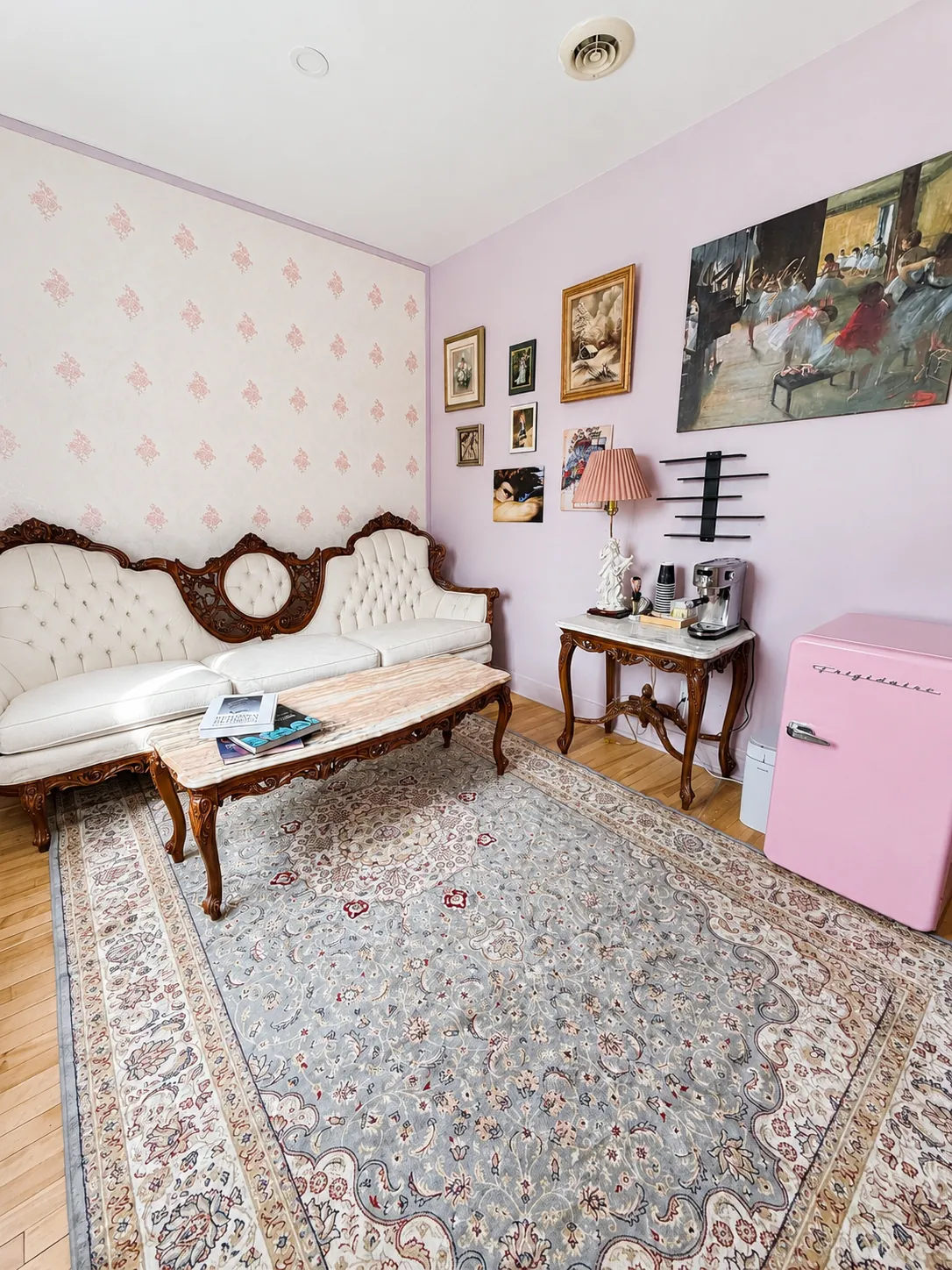
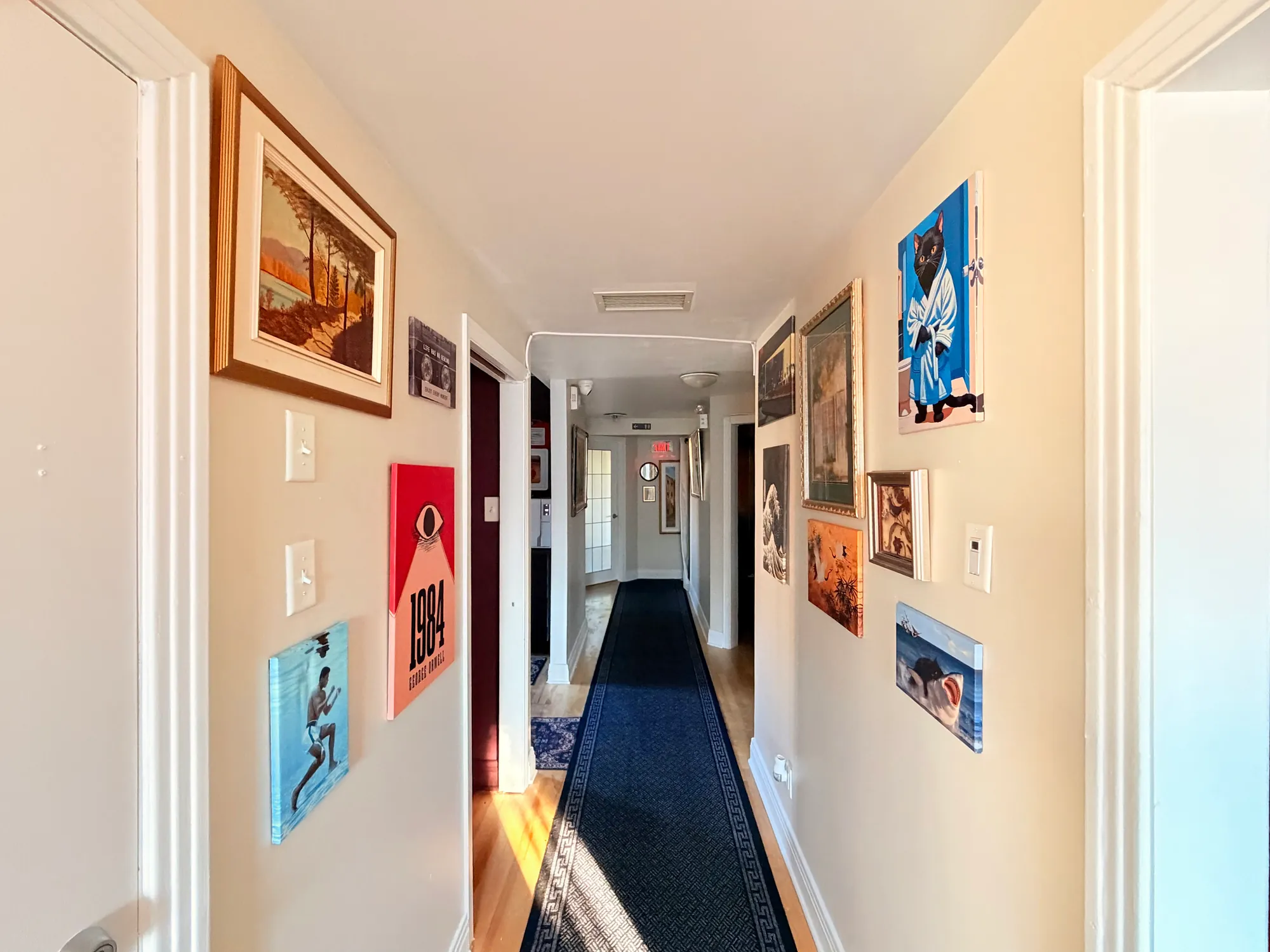
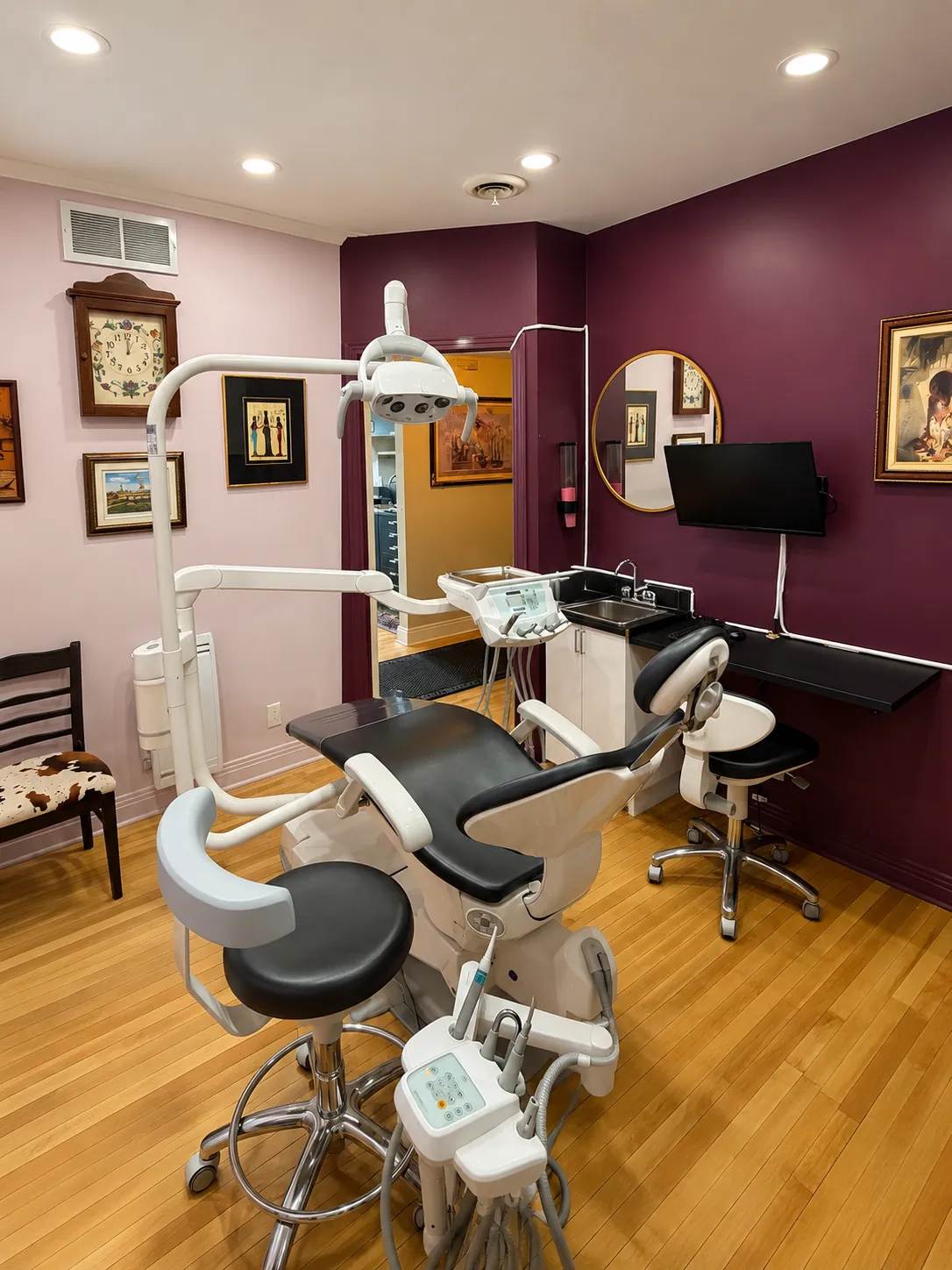
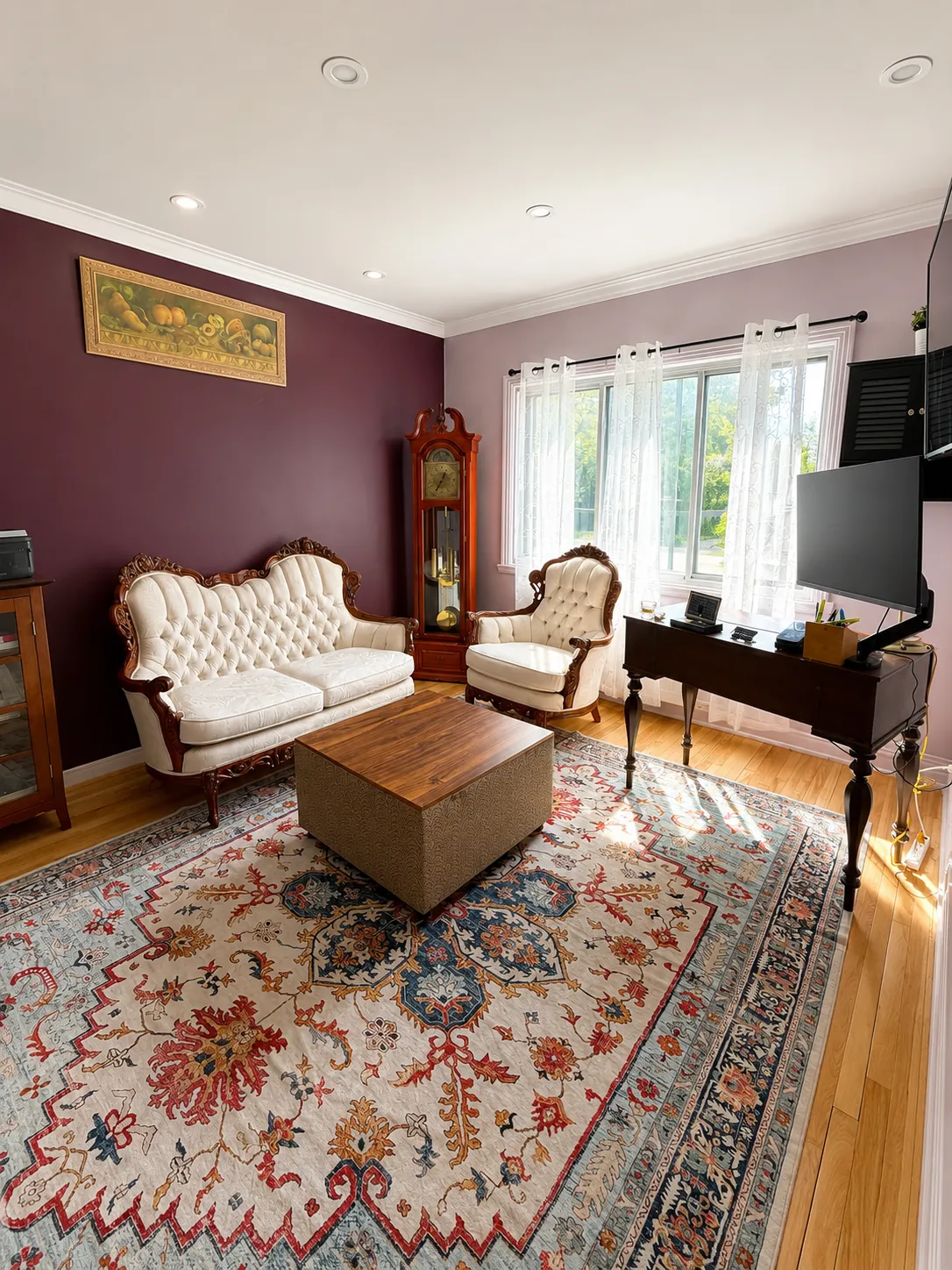
728 rue Fleury Est, room by room
The operatories, the planning station and the laboratory are all under the same roof.
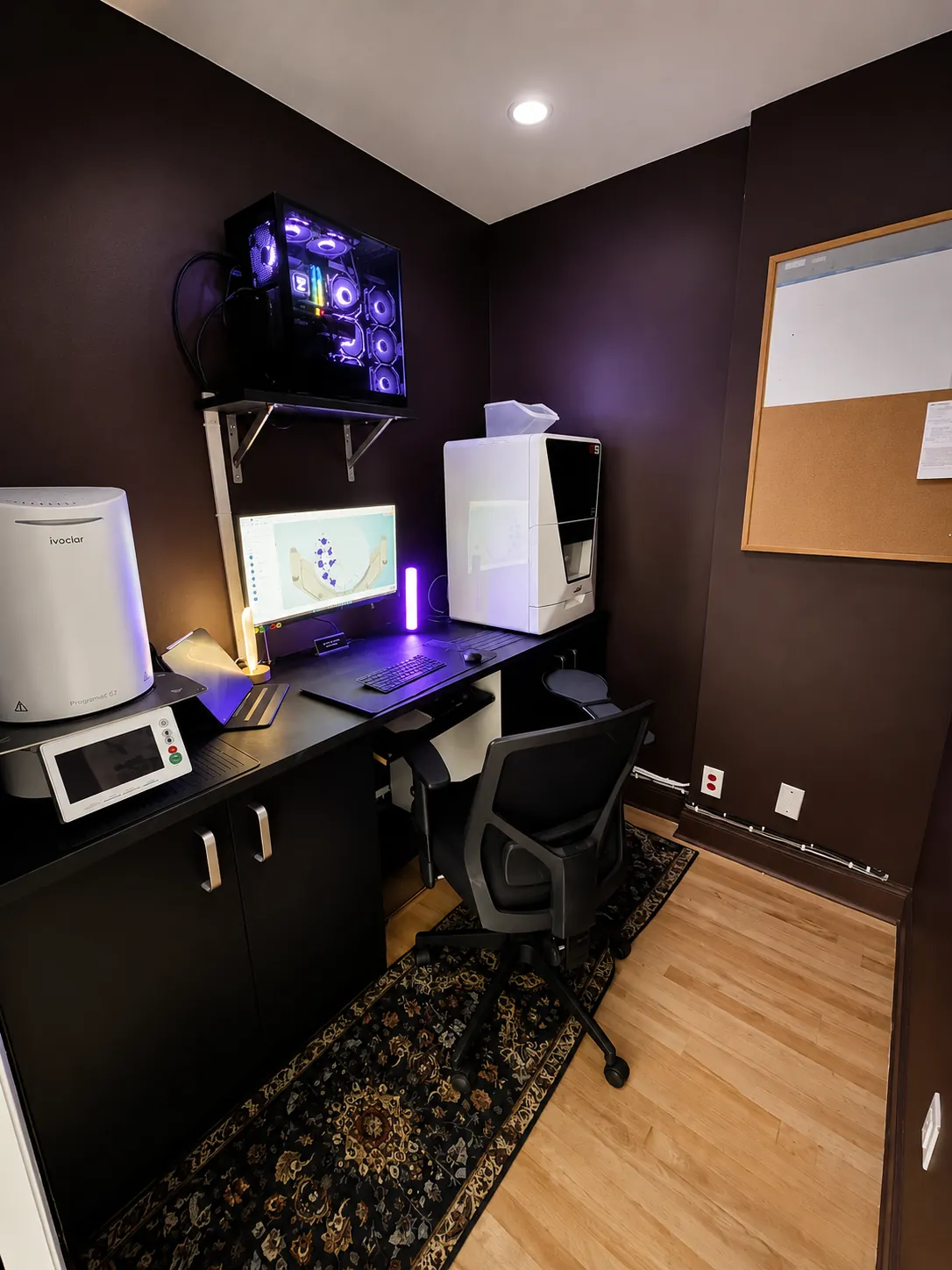
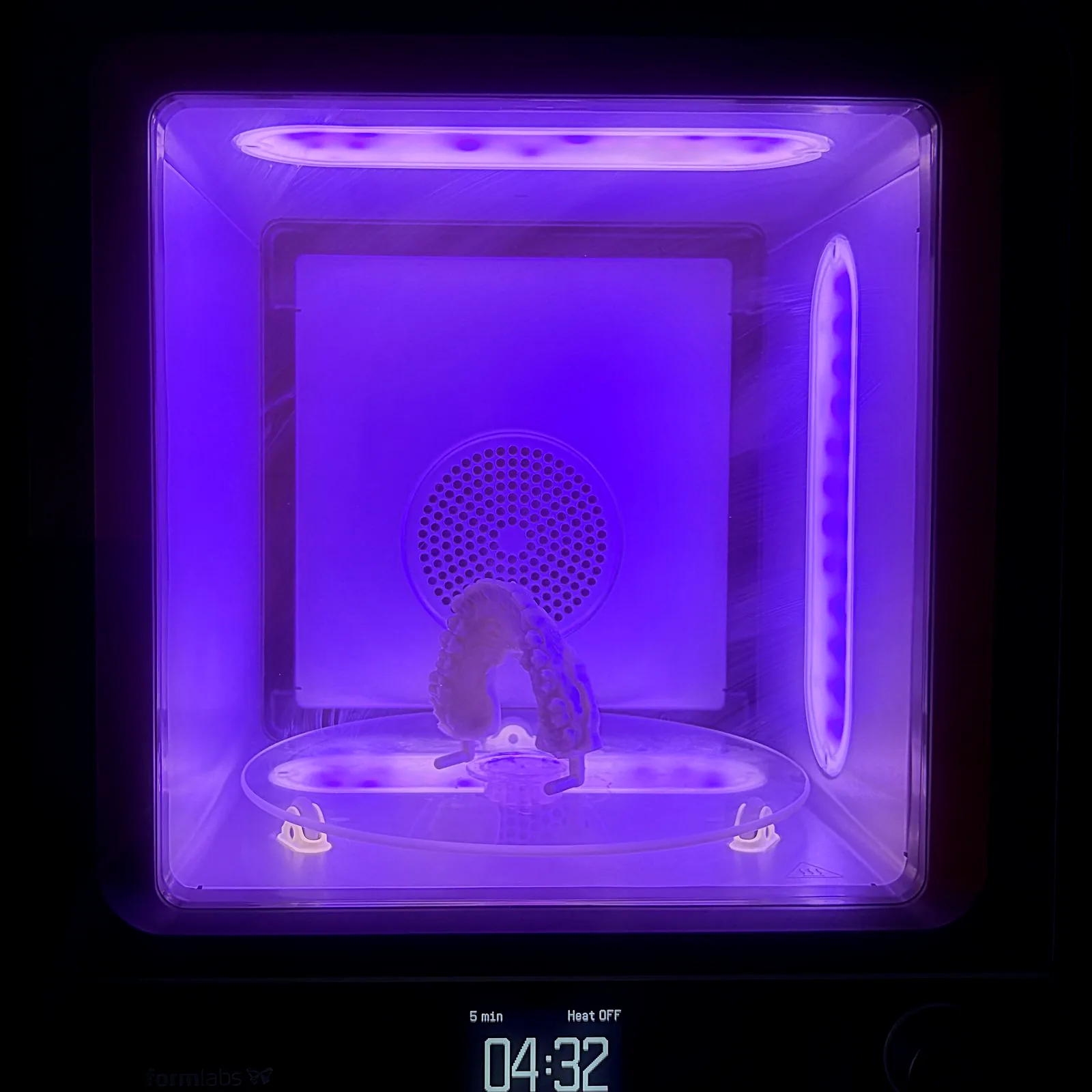
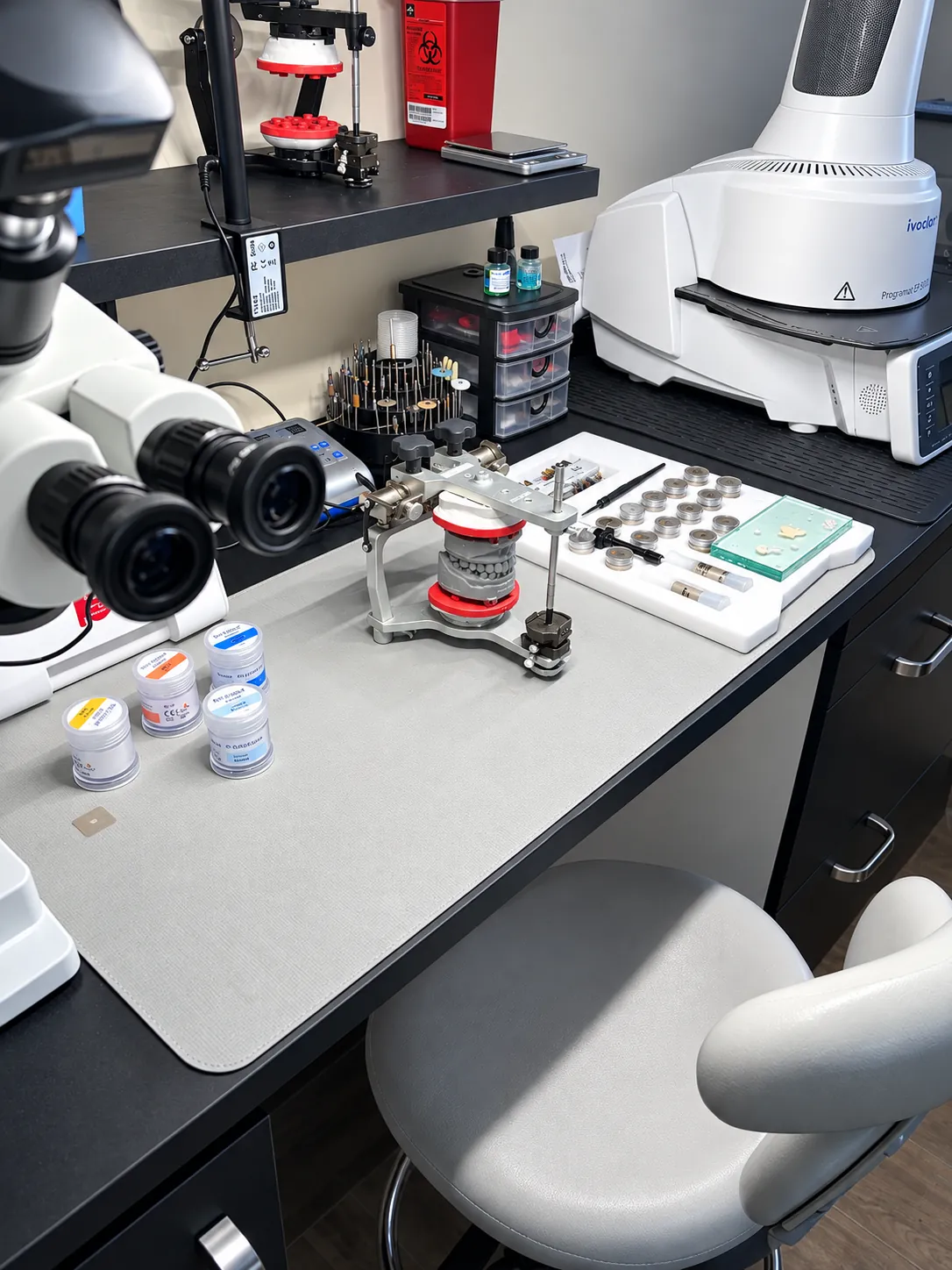
From diagnosis to fabrication, under one eye
A complete dental laboratory, integrated into the clinic: restorations and appliances are designed, fabricated and adjusted on site — for full continuity between the clinical diagnosis and the delivered result.
Dental technologist on site
The same hands follow your case from beginning to end of the fabrication of appliances and restorations — with no anonymous outsourcing.
Direct communication
The dentist, the dental technologist and the patient discuss the same project without an intermediary: fewer back-and-forths, shade or shape adjustments made on site, and no instruction lost along the way.
Complete digital planning
The workflow is entirely digital — optical impression, design, fabrication — and every project is archived: if something breaks, a restoration can be reproduced identically from the original file.
Restorations that are more precise, better fitted and longer-lasting.
Strong, natural-looking crowns made on site rather than outsourced.
A lifelike result, without flat shades or dull areas.
Accurate guards and temporaries, available quickly.
You see the result before it exists, and the file stays archived for any future work.
Colour reproduced faithfully, and full continuity if a touch-up is needed.
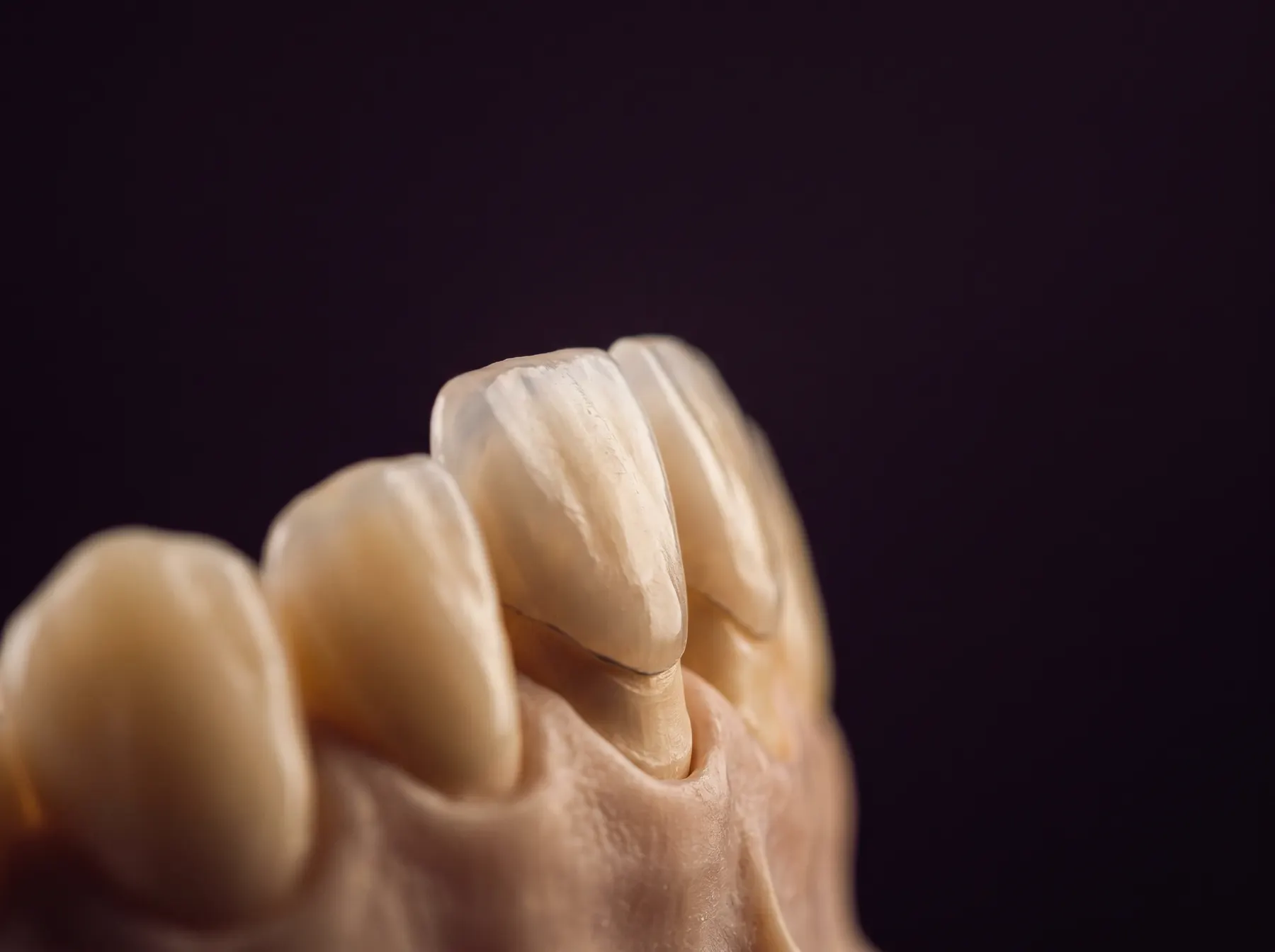
Technology does not decide the treatment. It serves the diagnosis, the precision and the coherence of the clinical project.
Five stages, one common thread.
The pathway reads from diagnosis towards rehabilitation, but it is neither mandatory nor strictly linear. You can leave it, return to it, or stop at a stage. Only one thing runs through it from end to end: prevention.
Prevention accompanies every stage, for life
The pathway depends on each person's diagnoses, risks and goals. Depending on the situation, you move forward, you pause, or you return to an earlier stage.
- ↳ Branches and possible exits after stages 1, 2 or 3
- ↻ Reassessment points that may send you back to an earlier stage
- ◎ A maintenance loop that continues over the long term
In the [de facto] Pathway, a stage designates a family of therapeutic objectives. It does not represent the severity of a disease and does not mean that every patient must reach the next stage. Not to be confused with the stages of a periodontal classification, of a cancer, or with a severity grading.
Care
Examination and prevention
Complete examination · Non-surgical periodontal treatment
Restoration
Indirect restoration on a natural tooth · Crown
Endodontics
Root canal treatment
Prosthetics
Partial and complete, fixed and removable · Crown and prosthesis on implant
Orthodontics
Aligners, simple to moderate cases · Interceptive orthodontics
Emergency
Dental emergency · Tooth extraction
Dr Bader Ramdani
General dentist · Founder
- Doctor of Dental Medicine, Université Laval, 2021
- Member of the Ordre des dentistes du Québec
- Integrated digital laboratory, reserved for cases treated at the studio
Born in Montreal, Dr Ramdani grew up in Saint-Michel and then in Ahuntsic. He studied dental medicine at Université Laval in Quebec City, before returning to practise in the neighbourhood where he grew up.
He founded De Facto Dental Studio to practise dentistry where diagnosis comes before intervention: understanding the mouth as a whole, explaining what is observed, and presenting options rather than a package.